Education
Why You Stopped Improving: The Intermediate English Plateau
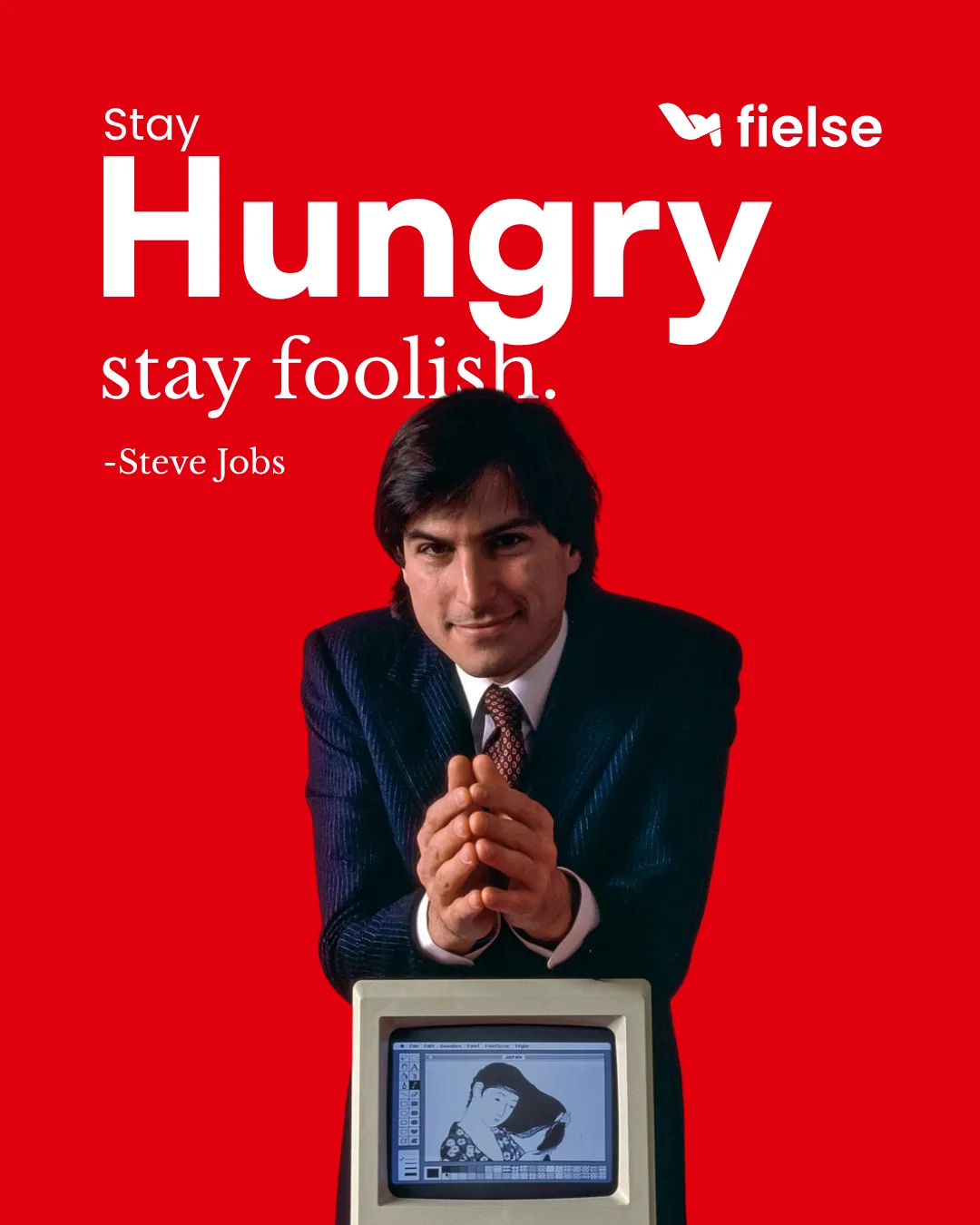
Steve Jobs closed his Stanford speech with four words: stay hungry, stay foolish.
He meant never think you've had enough, and never think you know enough.
The second half is where most English learners hit the intermediate plateau.
There is a point, usually somewhere around B1, where things stop moving. You can hold a conversation. You can read most of what you need to read. You understand films if the subtitles are on. And then, for months, nothing improves. This is the most common place for people to quit, and it is almost never a question of ability.
Why the intermediate English plateau happens#
Getting from zero to intermediate is mostly addition. You learn a tense, then another. You learn a hundred words, then five hundred. Every week you can visibly do something you couldn't do before. Progress is loud.
Intermediate is different. You already have enough language to survive most situations, which means you stop being forced into new territory. You order food with the same three phrases you learned two years ago. You explain your job with the same four sentences. It works, so you never build anything better.
The vocabulary you have is enough. The grammar you have is enough. And enough is exactly the problem.
The comfort trap#
Ask an intermediate learner to describe their weekend and you'll hear correct, simple, slightly flat English. Ask them why they didn't use a more precise word and they'll say they knew one but weren't sure about it.
That hesitation is the plateau. Not ignorance, avoidance. You know roughly twenty structures you're confident with, and you route every thought through them. The language you actually possess is far larger than the language you use.
Breaking out means being deliberately worse for a while. Using the word you're unsure about. Attempting the longer sentence and getting it wrong. Most people won't do this, because at intermediate level you finally sound competent, and sounding competent is hard to give up.
Getting past the plateau#
Stop consuming learner content. Graded readers and slow podcasts served their purpose. If you understand ninety percent of something, it is no longer teaching you. Move to material made for native speakers and accept that you'll miss things. Missing things is the point.
Notice what you avoid. For one week, catch yourself every time you simplify a sentence because you weren't sure of the better version. Write those moments down. That list is your actual curriculum, and it is more useful than any textbook.
Work on register, not just correctness. Intermediate learners speak one way in every situation. Native speakers shift constantly between formal and casual, written and spoken, direct and hedged. Learning those shifts is what makes English sound natural rather than accurate.
Produce more than you consume. Reading and listening feel productive because they're comfortable. Speaking and writing expose what you can't do yet, which is why people avoid them and why they work.
Give up on feeling ready. There is no point at which you'll feel prepared for the next level. The readiness comes after, not before.
The part nobody says out loud#
Intermediate is a comfortable place to stop. You can travel. You can read. You can get through a meeting. Plenty of people stay there for the rest of their lives and it costs them very little day to day.
But the gap between intermediate and fluent isn't a gap in knowledge. It's a gap in willingness. Willingness to be misunderstood, to use the wrong word, to sound less capable than you did yesterday.
Stay foolish, in other words. The moment you decide you know enough English is the moment you stop learning any.
Want to improve your English? Visit Fielse.